


-

Add: HeBei ShengShi HongBang Cellulose Technology CO.,LTD.
-

Email
13180486930@163.com -

CONTACT US
+86 13180486930
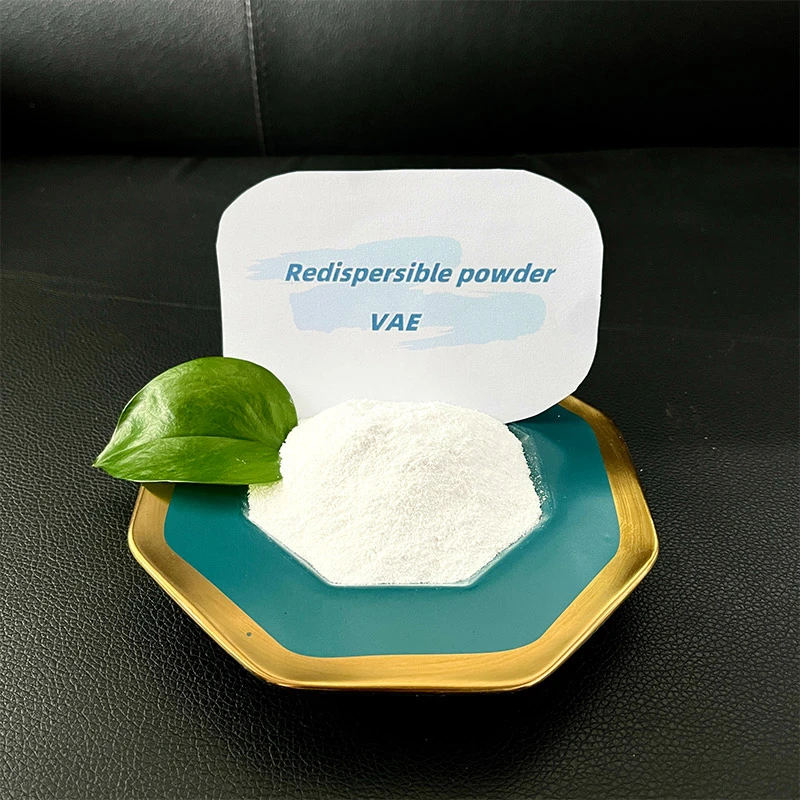

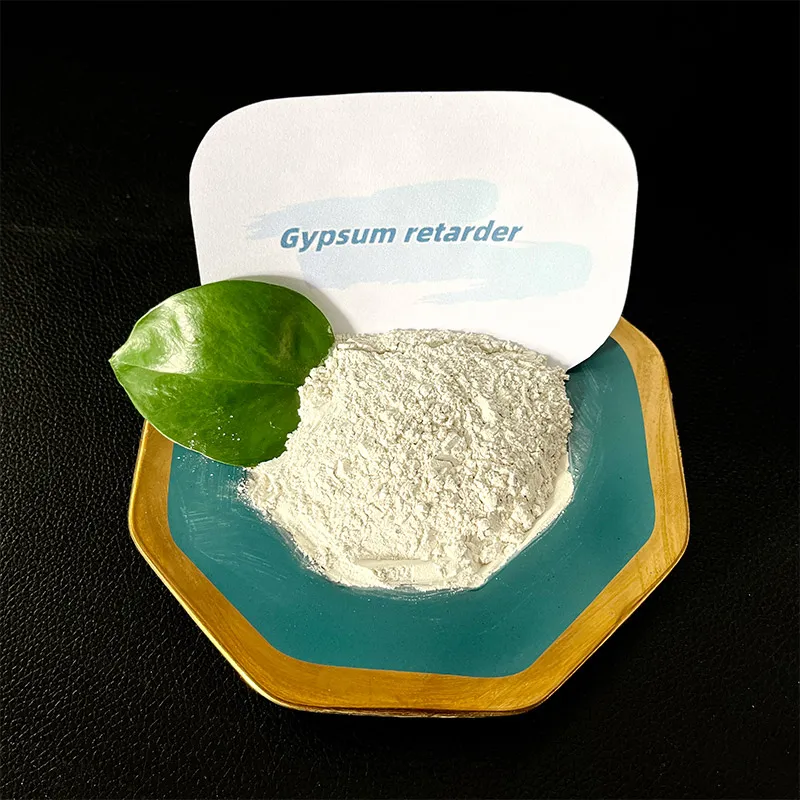
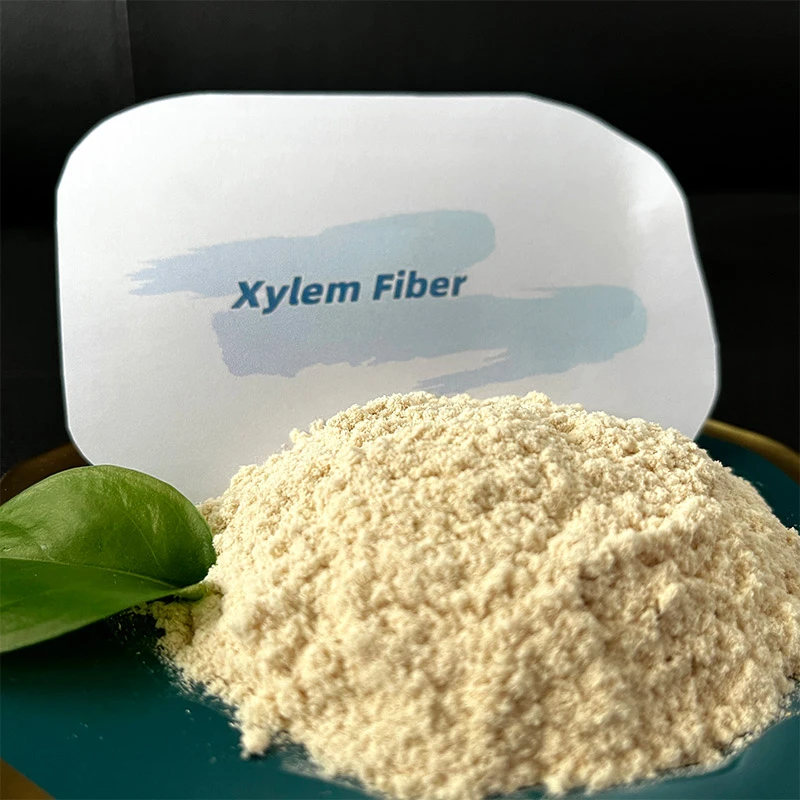



Understanding Methyl Cellulose and Its Pricing Dynamics Methyl cellulose, a water-soluble polymer derived from cellulose, has garnered increasing attention in various industries due to its versatile properties. As a key ingredient in food, pharmaceuticals, cosmetics, and construction, methyl cellulose plays a significant role in enhancing the quality and functionality of many products. However, the pricing aspects of methyl cellulose often raise questions among manufacturers and consumers alike. This article delves into the factors influencing the price of methyl cellulose, its applications, and the market trends that shape its economics. What is Methyl Cellulose? Methyl cellulose is produced through the methylation of cellulose, which is a natural polymer obtained from plant cell walls, particularly from wood and cotton. This modification process endows methyl cellulose with unique properties such as high viscosity, gelling ability, and water retention. Because of these characteristics, it acts as a thickener, emulsifier, and stabilizer, making it a popular choice in various applications. Applications of Methyl Cellulose 1. Food Industry Methyl cellulose is commonly used in the food industry as a thickening agent and a fat replacer. It helps improve the texture and stability of food products like sauces, dressings, and baked goods. Additionally, its ability to form gels at elevated temperatures is exploited in vegetarian and vegan food substitutes. 2. Pharmaceuticals In the pharmaceutical sector, methyl cellulose serves as an effective binder, coating, and disintegrant in tablet formulations. Its water-retaining properties are also valuable in the production of ocular solutions and laxatives. 3. Cosmetics Methyl cellulose is utilized in various cosmetic products for its thickening and stabilizing properties. It can be found in shampoos, lotions, and creams, contributing to the desired texture and overall feel of these products. 4. Construction The construction industry employs methyl cellulose as an additive in tile adhesives, joint compounds, and plaster. Its water retention and improved workability aid in creating durable and effective building materials. Factors Influencing the Price of Methyl Cellulose harga metilselulosa The pricing of methyl cellulose is influenced by several key factors, including 1. Raw Material Costs The primary raw materials for cellulose-based products, including cotton and wood pulp, can experience price fluctuations based on supply and demand dynamics. In addition, any changes to regulations affecting sustainable sourcing can also impact raw material costs. 2. Production Processes The manufacturing processes involved in producing methyl cellulose can be complex and energy-intensive. Advances in production technology can potentially reduce costs, but any disruptions—such as maintenance issues or the introduction of new regulations—can affect pricing. 3. Market Demand The growth of industries utilizing methyl cellulose directly impacts its demand. For instance, the rising popularity of plant-based food products has significantly increased the use of methyl cellulose as a vegan binder in food processing, contributing to fluctuating prices. 4. Geopolitical Factors International trade agreements, tariffs, and political stability in regions producing cellulose can affect the global supply chain, impacting both availability and pricing of methyl cellulose. For example, disruptions in trade can lead to supply shortages, subsequently driving up prices. 5. Technological Innovations As research advances, new grades and formulations of methyl cellulose are developed, often commanding different price points. Innovations that enhance performance or functionality can justify higher costs, while more efficient production methods can lower them. Market Trends and Future Outlook The methyl cellulose market is poised for growth, driven by expanding applications across various sectors. The trend toward clean label products in the food industry, coupled with an increasing preference for natural and plant-based ingredients, is likely to sustain demand for methyl cellulose. Additionally, advancements in production technology and heightened environmental awareness may foster more sustainable practices within the industry, influencing pricing trends. In conclusion, methyl cellulose plays an invaluable role across numerous industries. Understanding the factors that contribute to its pricing can help stakeholders make informed decisions. As demand for this versatile polymer continues to grow, staying attuned to market trends and shifts will be essential for navigating the complexities of methyl cellulose pricing.
- 40000tons

Production
- 20+years

Experience
- 5000+㎡

Acreage

-

Гидроксипропилметилцеллюлоза (гипромеллоза) капсулы становятся все более популярными на мировом рынке благодаря своим многочисленным преимуществам в сравнении с традиционными капсулами, изготовленными из желатина. Гипромеллоза - это полимер природного происхождения, который делает эти капсулы более устойчивыми и экологически чистыми. Давайте более подробно рассмотрим преимущества и динамику рынка HPMC капсул, опираясь на реальный опыт, экспертное мнение и данные исследований. Рынок капсул из гипромеллозы значительно вырос в последние годы, и прогнозы указывают на дальнейший рост в связи с увеличением спроса на растительные альтернативы в фармацевтической и пищевой промышленности. Все большее количество потребителей переходит на веганский образ жизни, что способствует увеличению спроса на растительные продукты, в том числе и капсулы. В связи с этим, производители в сфере капсул переходят на использование гипромеллозы, которая удовлетворяет эти новые потребности. Экспертные исследования показывают , что капсулы из гипромеллозы обладают рядом преимуществ. Они характеризуются высокой стабильностью относительно различных условий окружающей среды, таких как температура и влажность. Это свойство делает их особенно подходящими для доставки активных веществ, которые могут быть нестабильны в капсулах из животного желатина. Помимо этого, капсулы HPMC являются безопасными для широкой целевой аудитории, включая людей с различными диетическими ограничениями, такими как веганы, вегетарианцы и те, кто страдает аллергией на определенные компоненты животного происхождения. Они также гипоаллергенные, что делает их более привлекательными на рынке с точки зрения безопасности и толерантности. Рыночная экспертиза показывает, что инновации в производственных процессах HPMC капсул ускоряют их адаптацию в фармакологии и в сфере спортивного питания. Процесс производства более экологичен, что привлекает внимание компаний, стремящихся к устойчивому развитию. Такие изменения, как снижение выбросов углерода и уменьшение зависимости от животных источников, добавляют HPMC капсулам репутацию экологически безопасного выбора. Рынок капсул HPMC Авторитетные агентства по контролю качества и безопасности продуктов одобряют гипромеллозные капсулы, подтверждая их неоспоримую пользу и безопасность. Все больше исследовательских учреждений подтверждают их эффективность в доставке лекарственных средств, что создает дополнительный доверие к этому продукту среди медицинских работников и конечных потребителей. На данный момент существует несколько ключевых игроков на рынке, активно продвигающих и внедряющих продукты на основе гипромеллозы. Эти компании делают акцент на инновационные методологии производства, обеспечивая тем самым высокое качество и соответствие международным стандартам. Потребительское доверие к HPMC капсулам постоянно растет, благодаря чему они становятся не только популярным выбором среди пользователей, но и надежным партнером для врачей и фармакологов. Фактические данные потребительских опросов говорят о положительном восприятии и большей удовлетворенности данным продуктом. Таким образом, рынок капсул из гипромеллозы продолжает активно развиваться, предъявляя высокие стандарты качества и безопасности. Основанный на экспертных знаниях, доверии и длительном опыте пользователей и производителей, он обещает оставаться устойчивым трендом в мире капсул.
-
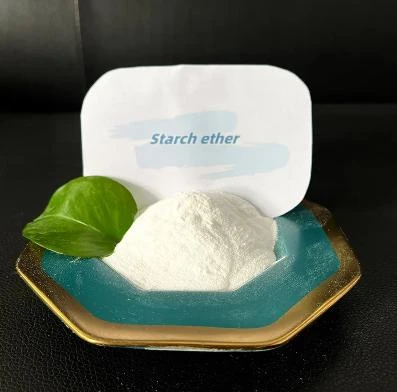
The Insights into Rubber Powder Prices Market Trends and Influencing Factors Rubber powder is a finely ground material derived from natural rubber or synthetic rubber, and it has gained significant traction across various industries due to its versatile applications. The demand for rubber powder is driven by its use in manufacturing products such as tires, mats, and molded goods, as well as in construction materials and even in the polymer industry. Understanding the pricing dynamics of rubber powder is essential for manufacturers, suppliers, and consumers alike, as it directly affects production costs and market competitiveness. Current Market Trends As of late 2023, the rubber powder market has exhibited fluctuating prices influenced by several factors such as raw material costs, production capabilities, and global demand. The price of rubber powder typically correlates with the price of raw rubber, which has experienced volatility due to changing environmental policies, production levels, and fluctuating demand in key markets like China and India. In recent years, there has been a notable increase in demand for eco-friendly materials, pushing industries toward sustainable practices that utilize rubber powder made from recycled materials. This shift has contributed to some degree of price stabilization, but not without other challenges. Factors Influencing Rubber Powder Prices 1. Raw Material Costs The primary factor affecting rubber powder prices is the cost of raw materials, i.e. , natural rubber and synthetic rubber . Prices for these raw materials fluctuate based on global supply and demand dynamics. For instance, adverse weather conditions, such as excessive rainfall or drought in producing regions, can disrupt the supply chain, leading to price increases. Additionally, geopolitical tensions affecting oil supply can impact the production costs of synthetic rubber. rubber powder price 2. Technological Advancements The rubber powder manufacturing process has seen advancements in technology that can potentially reduce production costs. Automated machinery and enhanced grinding techniques can improve the efficiency and yield of rubber powder production. However, the initial investment in these technologies may lead to higher prices, influencing overall market pricing strategies. 3. Recycling Trends The increase in recycling initiatives is pivotal in stabilizing rubber powder prices. Manufacturers are exploring the use of recycled rubber to create powdered forms, reducing reliance on new material and consequently affecting pricing. This innovation not only benefits the environment by curbing waste but also creates competitive pricing in the rubber powder market. The demand for recycled rubber powder has been steadily increasing, providing an avenue for price stability while promoting sustainability. 4. Global Economic Conditions Economic fluctuations across the globe can significantly impact rubber powder prices. Economic growth typically leads to increased industrial activity and higher demand for rubber products, while downturns can lead to a decrease in demand and thus lower prices. Factors such as inflation, currency exchange rates, and changes in consumer behavior play critical roles in determining market dynamics. 5. Regulatory Impact Environmental regulations are becoming increasingly stringent, pushing manufacturers to adopt more sustainable practices. Compliance costs associated with these regulations can influence production costs and, by extension, rubber powder prices. Companies that can scale and adapt to these regulations efficiently may find themselves with a pricing advantage in the market. Conclusion In summary, the rubber powder pricing landscape is complex and influenced by a multitude of factors including raw material costs, technological advancements, recycling trends, global economic conditions, and regulatory impacts. Stakeholders in the rubber powder market must navigate these dynamics carefully, looking for opportunities to optimize their processes and reduce costs wherever possible. As sustainability becomes a central theme in production, the potential for stable pricing of rubber powder remains strong, provided that manufacturers continue to innovate and adapt to changing market conditions. Understanding these trends is essential for making informed decisions in an increasingly competitive environment.
advantages
-

200000 Viscosities
Excellent product
We can produce pure products up to 200,000 viscosities
-

40000 tons
High yield
We don’t stop production all year round, and the annual output can reach 40,000 tons
-

24 hours
Quality service
We provide 24-hours online reception service, welcome to consult at any time
———— Inquiry Form
Schedule A services


-
 high-performance_environment-friendly_rubber_powder_customized
Oct . 25, 2025
Hydroxymethyl cellulose , often encountered in its more prevalent derivative form hydroxypropyl meth - precio_del_eter_de_almidon
Oct . 25, 2025
Understanding Confix PP Fiber A Breakthrough in Material Science In the quest for advanced materials -
 hydroxypropyl_cellulose_in_food
Oct . 25, 2025
Innovative material engineering is transforming industrial textiles, and strategic blending of fibre


